
OUR BLOG
Explore the origins, evolution, and legacy of Pilates to understand how it shaped modern movement.
Movement has always fascinated me — not just what the body can do, but how it can reshape a person’s confidence, vitality, and entire way of living. Discovering the original work of Joseph Pilates was a turning point; here was a method rooted not in trends or aesthetics, but in principle, precision, and true control — strength cultivated from the inside out.
THE CREATOR OF PILATES & THE PILATES REFORMER
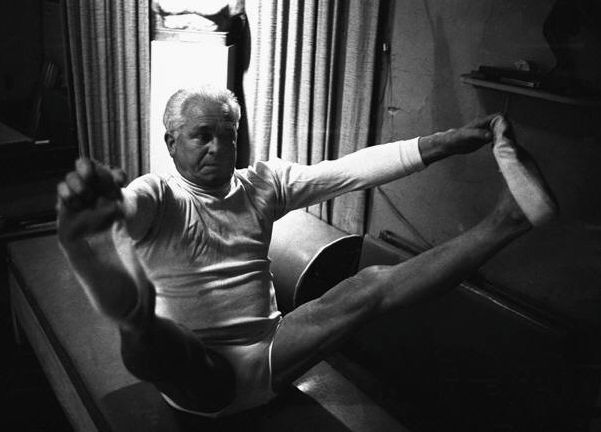
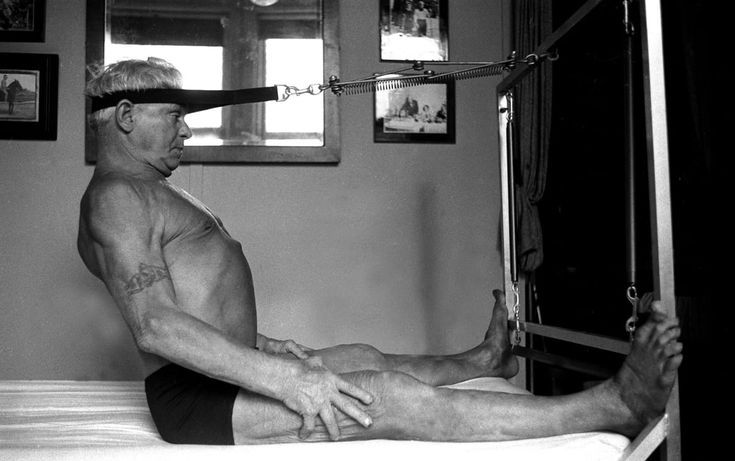
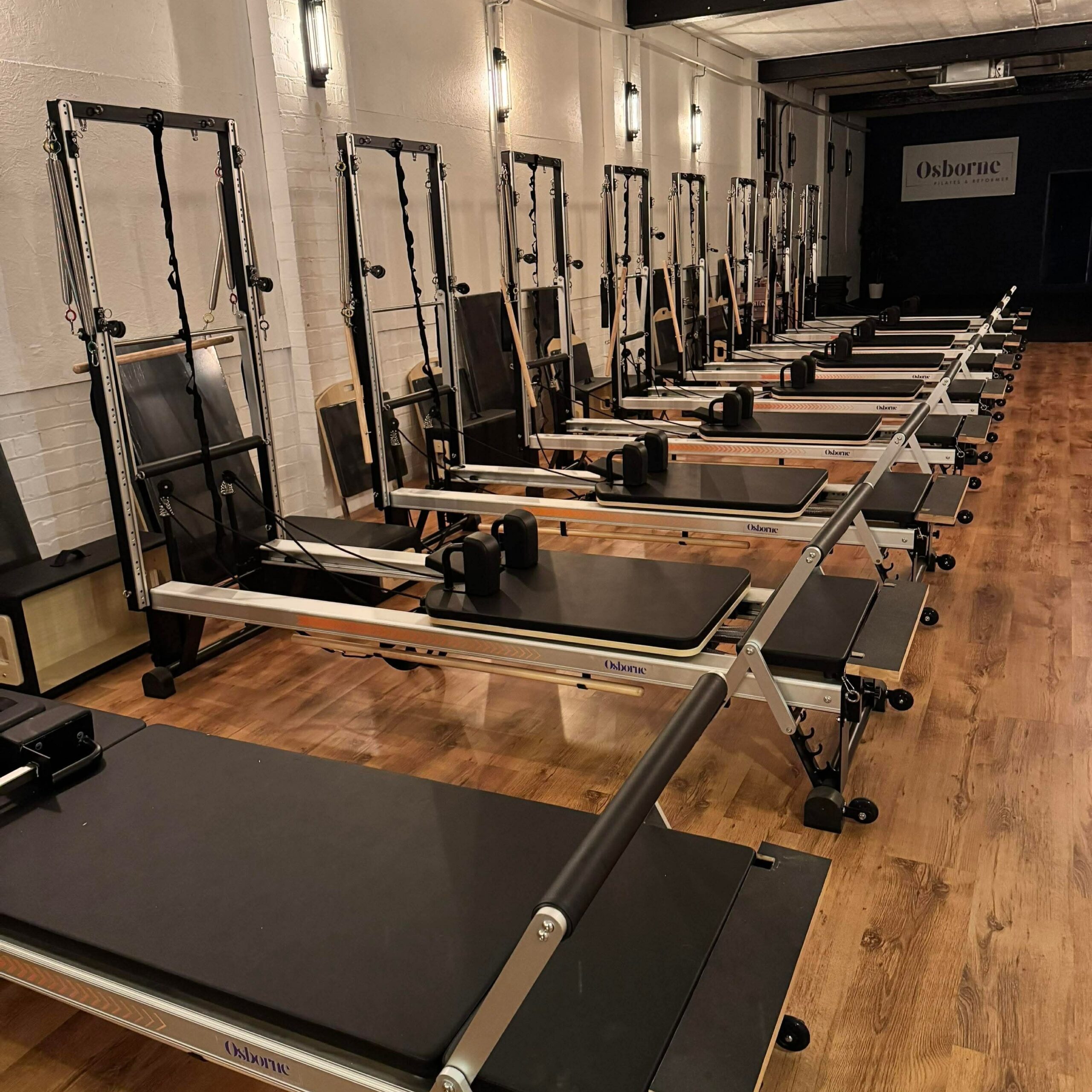
Pilates takes its name from Joseph Pilates. A German-born emigré to Britain and then America, he devised the Pilates method as a new approach to exercise and body-conditioning in the early decades of the last century. His method included the use of equipment referred to by him as: apparatus. Perhaps the best known piece of equipment is the Pilates reformer, which is in use in the Pilates Central studio today.
THE EARLY JOURNEY OF JOSEPH PILATES
Joseph Pilates, born near Düsseldorf in 1880, began life as a fragile child but became determined to strengthen and transform his body. He devoted himself to body-building, eventually modelling for anatomical drawings in his teenage years, and grew into one of the first major figures to blend Western and Eastern approaches to health and movement. His early curiosity and relentless practice across countless exercise methods laid the foundation for the method that now carries his name.
THE EVOLUTION OF HIS METHOD
Pilates drew from a wide range of movement systems, from classical Roman and Greek training to bodybuilding and gymnastics, while also practising Eastern disciplines like yoga, tai chi, martial arts, and Zen meditation. He studied anatomy and animal movement, carefully recording his experiments with every exercise. In 1912, at 32, he moved to England, working as a professional boxer, skier, diver, self-defence instructor for Scotland Yard, and circus acrobat—experiences that shaped the method he would later share with the world.
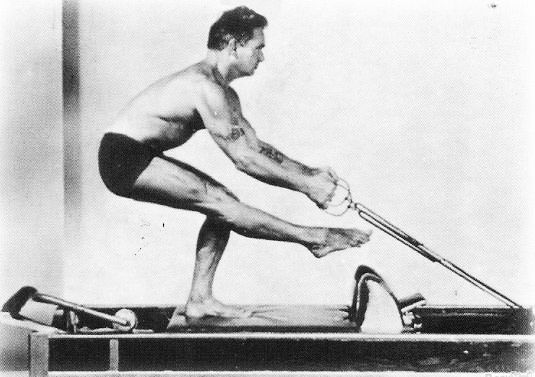
WORLD WAR I AND THE DEVELOPMENT OF PILATES AND THE PILATES REFORMER
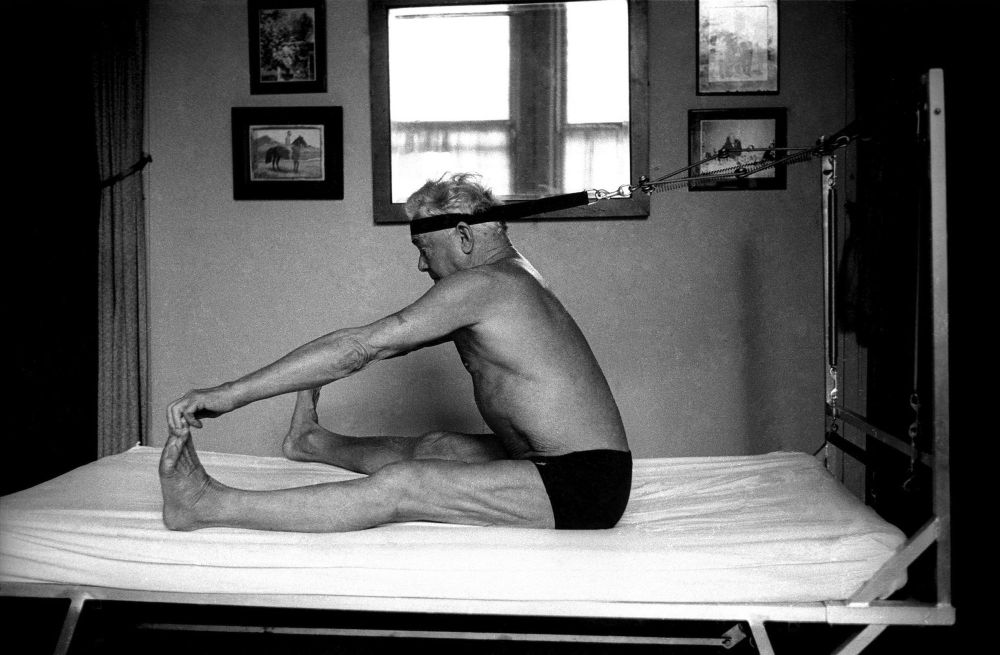
At the outbreak of World War I, Pilates was interned by the British as a German enemy alien. During this time, he began developing his unique approach to exercise and body conditioning—the foundation of Pilates. Working as a nurse, he experimented with attaching springs to hospital beds, allowing patients to tone their muscles while bedridden. These experiments led to the first Pilates machines, early versions of the reformer, which resembled a sliding bed with spring resistance.
PILATES ARRIVES IN AMERICA
In 1923, Pilates moved to America and opened his first studio in New York with his wife and assistant, Clara, whom he had met during the Atlantic crossing. His method quickly gained popularity, especially among dancers like Martha Graham and George Balanchine, who valued it for injury recovery and prevention. Over time, word of the Pilates method spread, attracting a wider audience eager to experience its benefits.
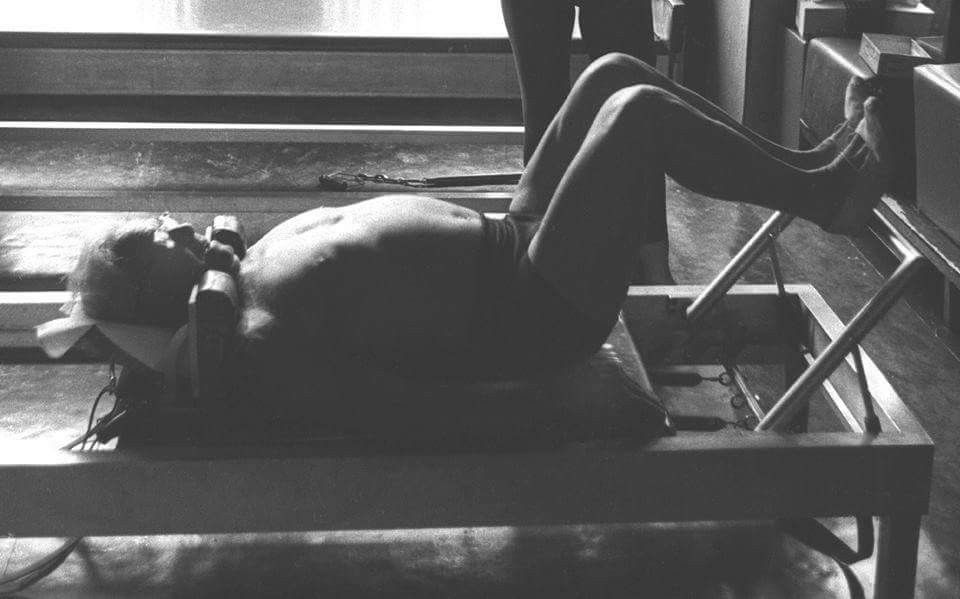
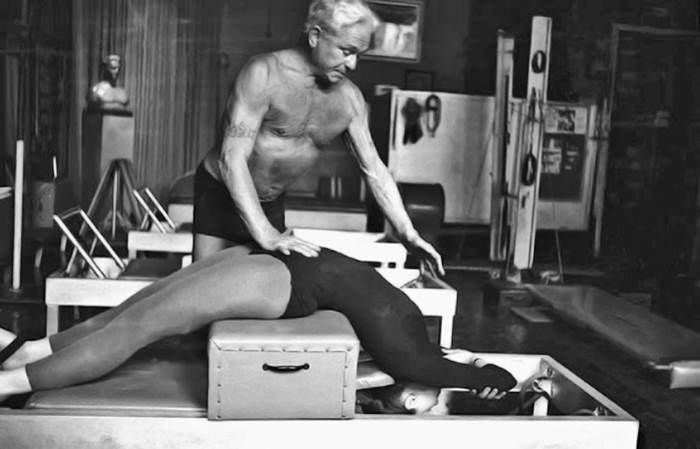
THE PHILOSOPHY OF CONTROLLOGY
Pilates originally called his method “Contrology,” only later becoming known by his surname. He designed it as both a mental and physical discipline, allowing individuals to develop their bodies to their full potential. Explaining its guiding principle, he often quoted Schiller: “It is the mind itself which builds the body.”
PILATES RETURNING TO BRITAIN
The Pilates method did not return to Britain until 1970, when Alan Herdman brought it back after being invited by the London School of Contemporary Dance to study Joseph Pilates’ techniques in New York. That year, Herdman opened Britain’s first Pilates studio at The Place in London.
membership and packs
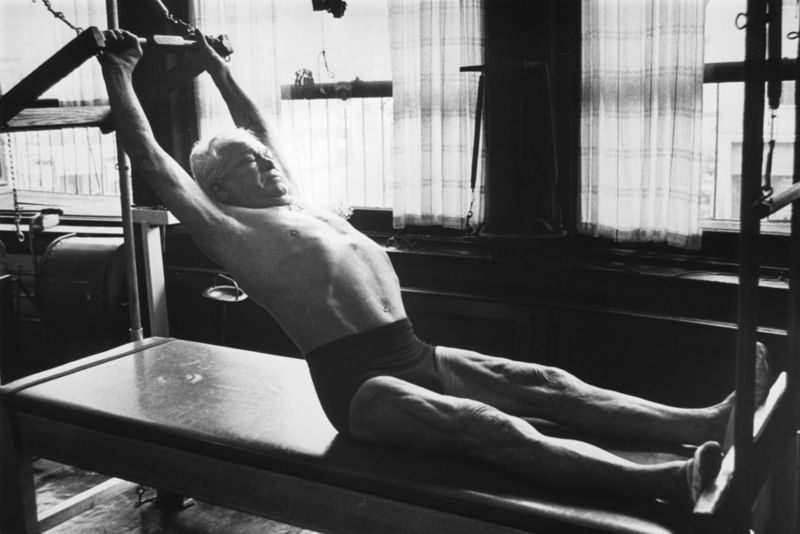
Joseph Pilates’ method was never meant to be ornamental, exclusive, or watered down; it was created for everyday people to build bodies that are strong, aligned, resilient, and capable of moving through daily life with energy and ease. That’s why at Osborne Classical Pilates, we honour the classical method, teach with purpose, use tower-equipped reformers for greater versatility and precision, and welcome all bodies, all ages (18–80+), and all starting points. This is Pilates the way Joseph intended it: intelligent, powerful, transformative movement for real people.